Industrial Magnetic Separation Equipment

Magnetic Separator Manufacturer & Custom Separation Equipment

Remove ferrous contamination, protect downstream equipment and recover magnetically responsive material. Corvelan reviews the material, particle size, throughput, working distance, installation position and cleaning requirements before defining the separator configuration.

  • Magnetic Drum Separators
  • Plate Magnets
  • Conveyor Separation
  • Powder & Granule Separation
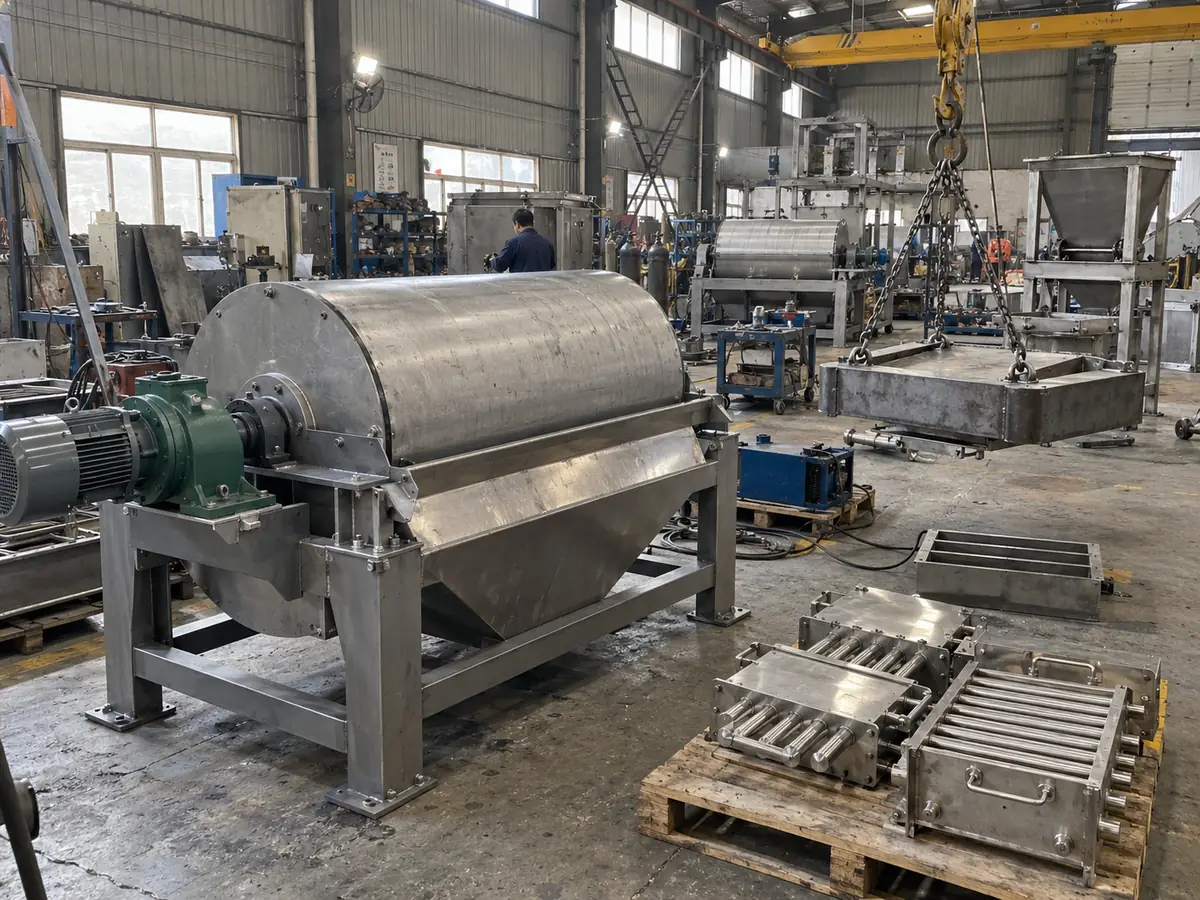
Magnetic separator manufacturing workshop with drum separator and magnetic grate assemblies Magnetic Separation Equipment
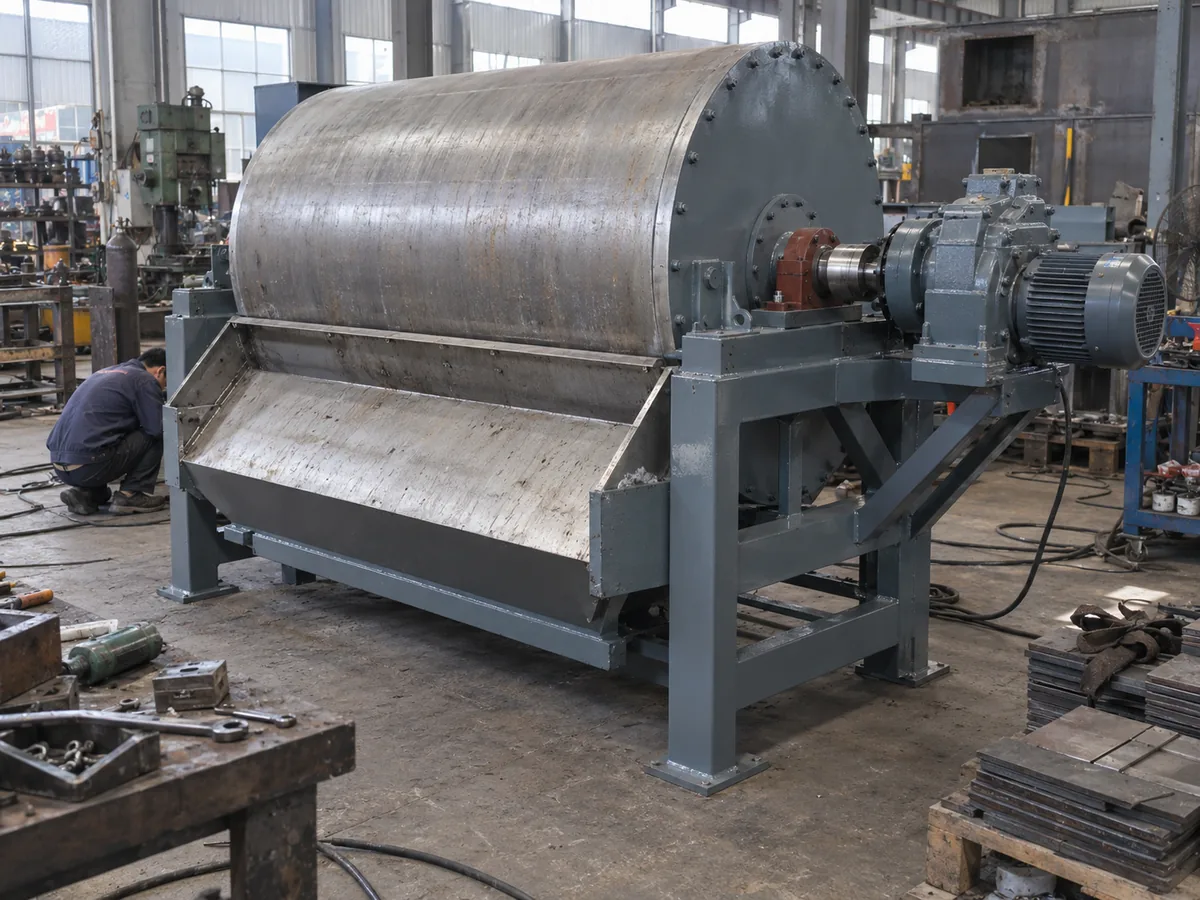
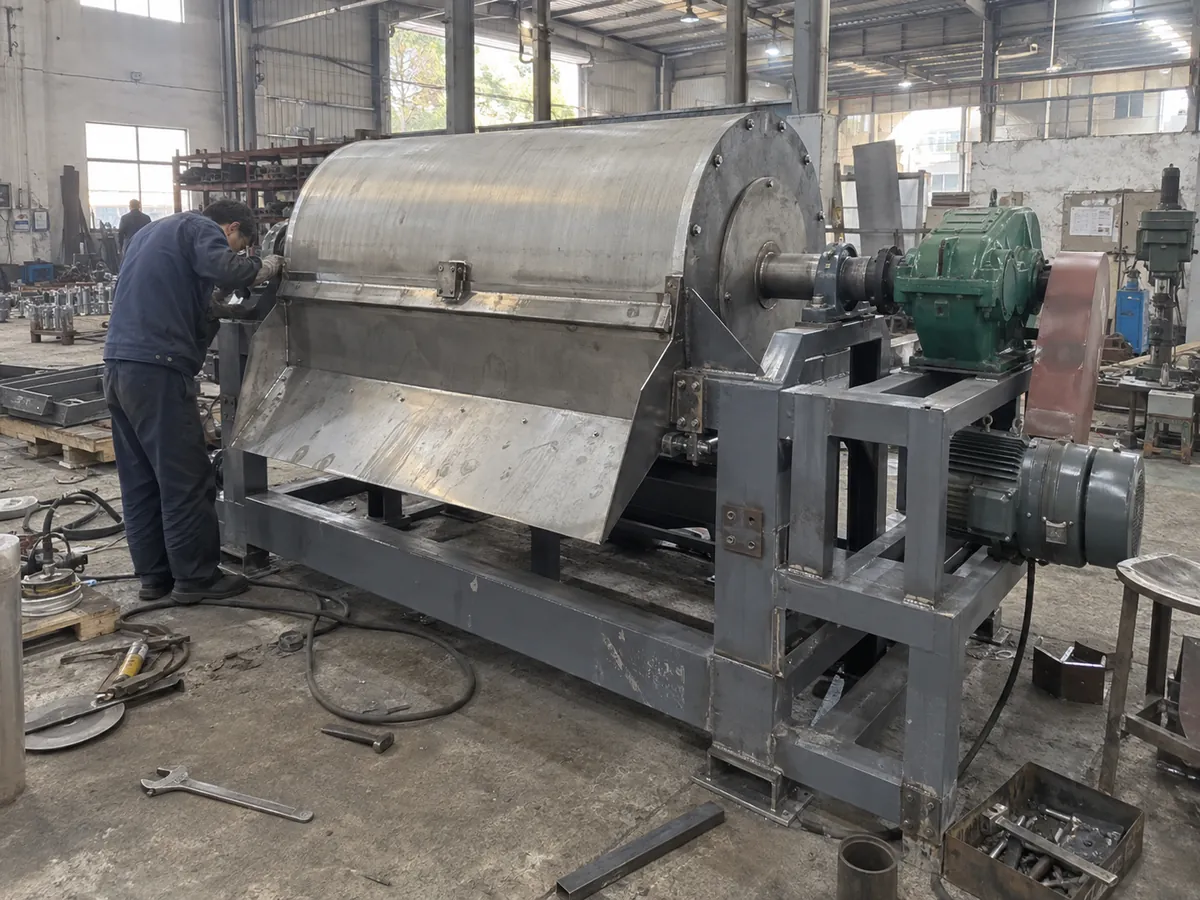
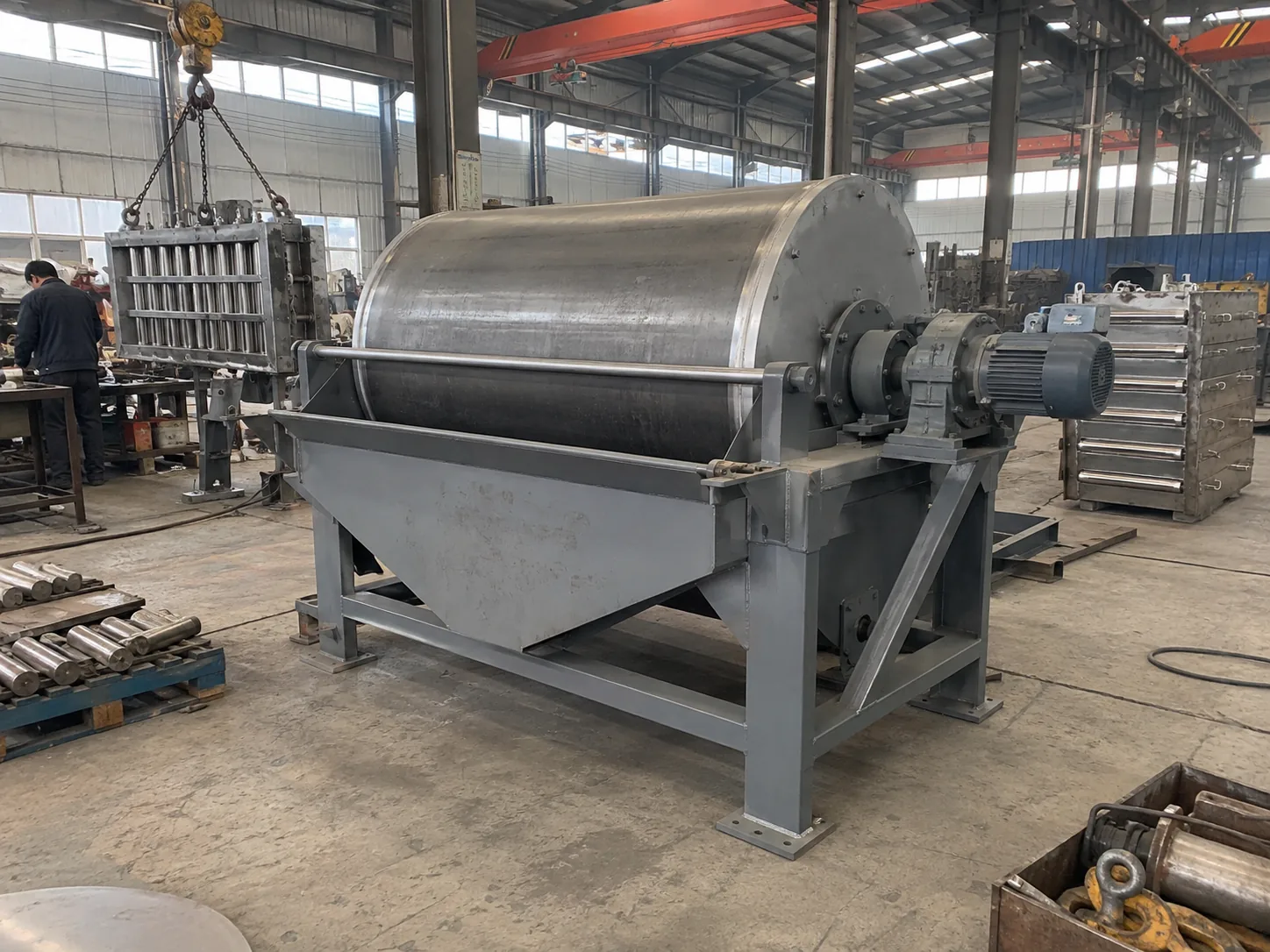
Magnetic drum separator under assembly in an industrial workshop Magnetic Drum Separator

Manufacturer at a Glance

Magnetic Separation Equipment Built Around the Process

ManufacturerCorvelan
Manufacturing LocationShandong, China
Equipment FocusDrum, plate, conveyor, pulley, grate, tube and drawer configurations
ApplicationsMining, recycling, bulk handling, powders and granules
RFQ InputsMaterial, particle size, throughput, contamination target and line drawing

Start With the Separation Goal

What Do You Need the Magnetic Separator to Do?

Remove Ferrous Contamination

Reduce magnetically responsive tramp or fine ferrous contamination.

Protect Crushers & Mills

Capture tramp iron before critical downstream equipment.

Recover Magnetic Materials

Separate a valuable magnetic fraction from a mixed material stream.

Improve Product Purity

Control unwanted magnetic contamination in powders, granules and bulk solids.

Magnetic Separation Equipment

Choose the Separator by Material Flow and Separation Point

Choose the right magnetic separator based on your material flow, installation location and separation requirements.

Magnetic drum separator under assembly in an industrial workshop
Continuous Separation

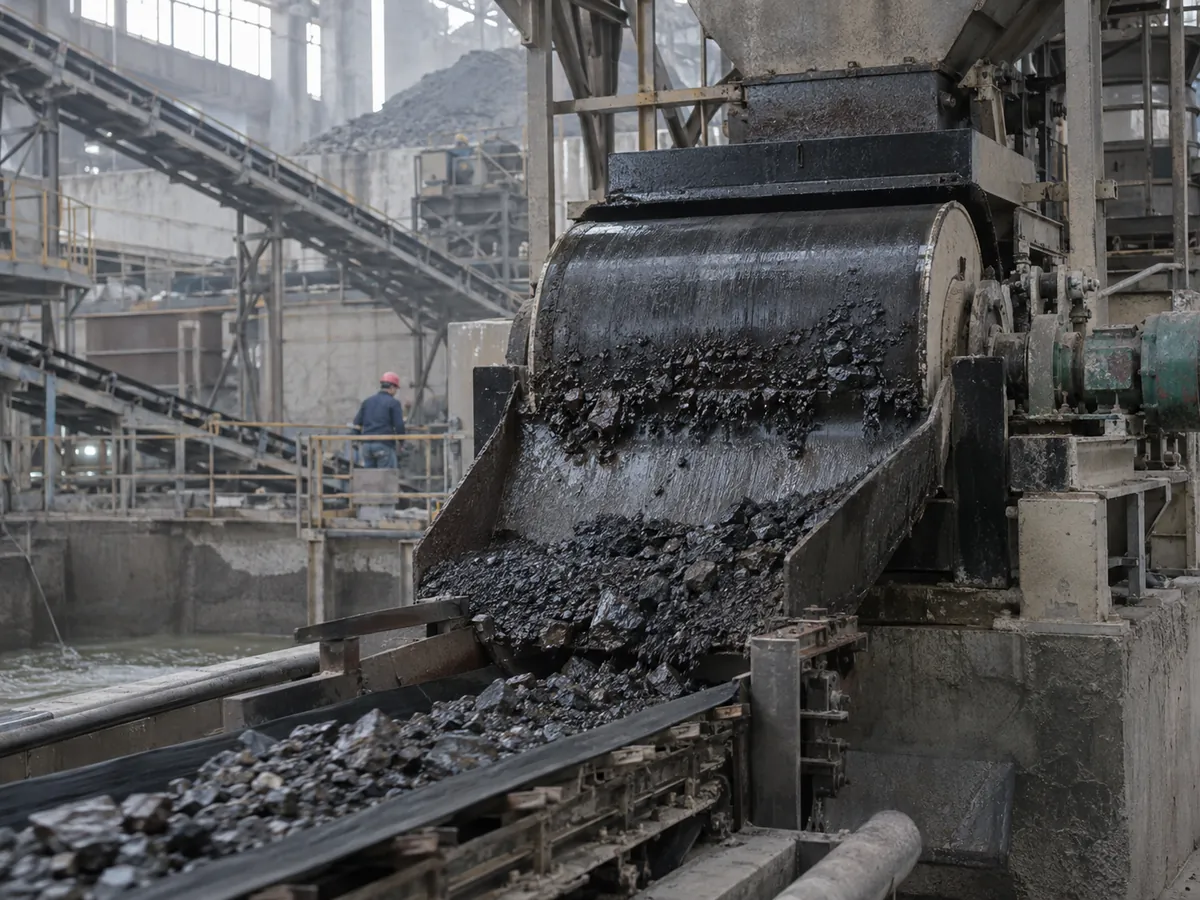
Magnetic Drum Separators

Best for: Continuous bulk-material separation with automatic magnetic discharge.

Typical position: Feed, transfer or discharge points where the material can be presented across the drum field.

Explore Magnetic Drum Separators →
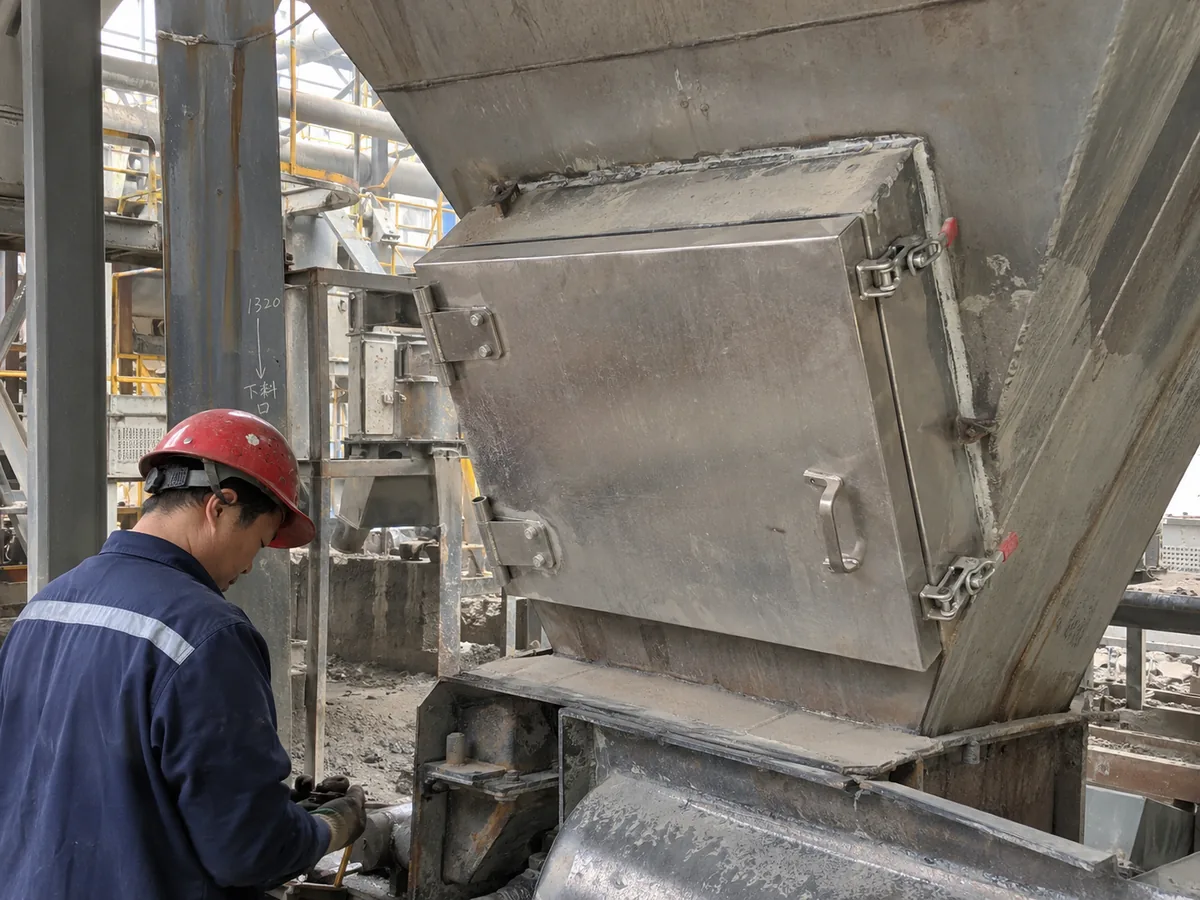
Plate magnet installed on a gravity chute in an industrial processing line
Gravity Flow

Plate Magnets

Best for: Chutes, hoppers and gravity-flow material passing close to a magnetic face.

Typical position: Chute wall, hopper or spout with practical cleaning access.

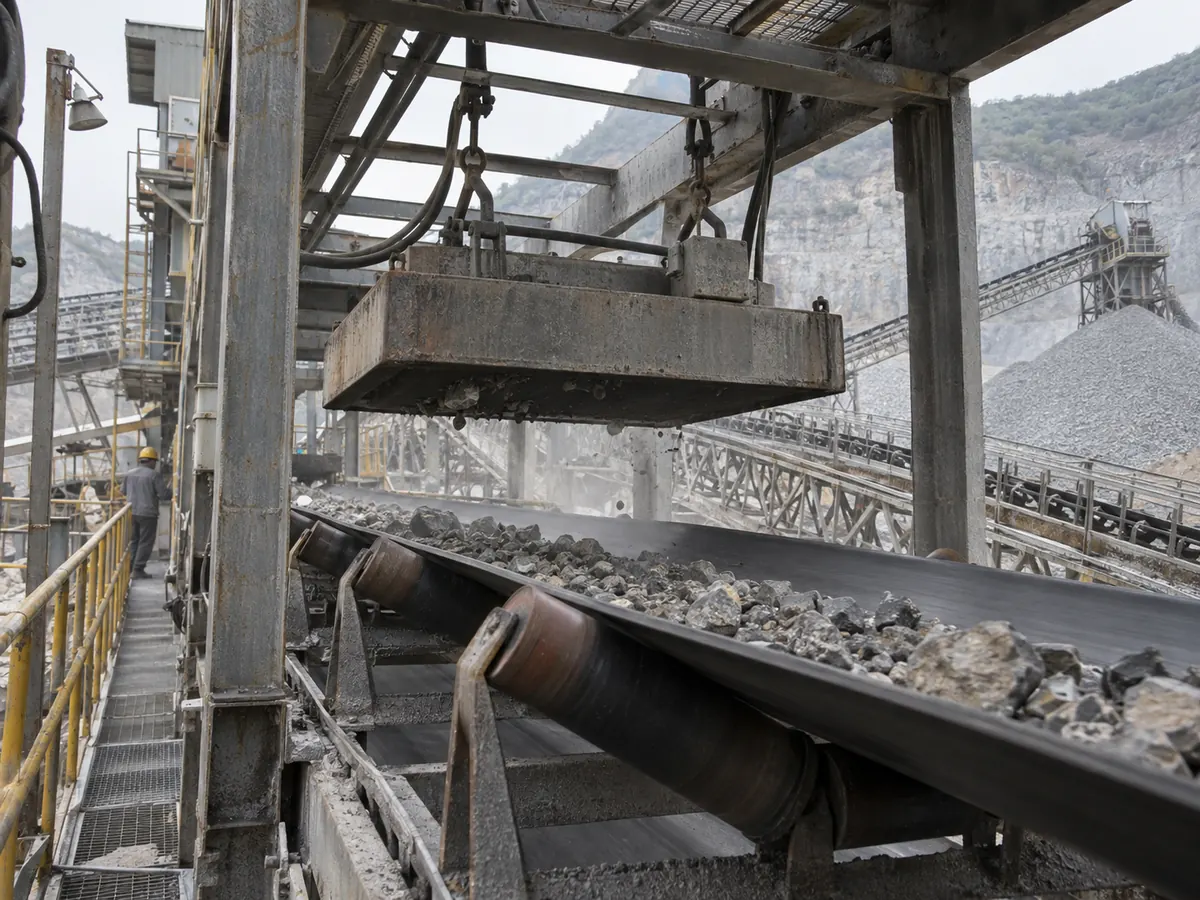
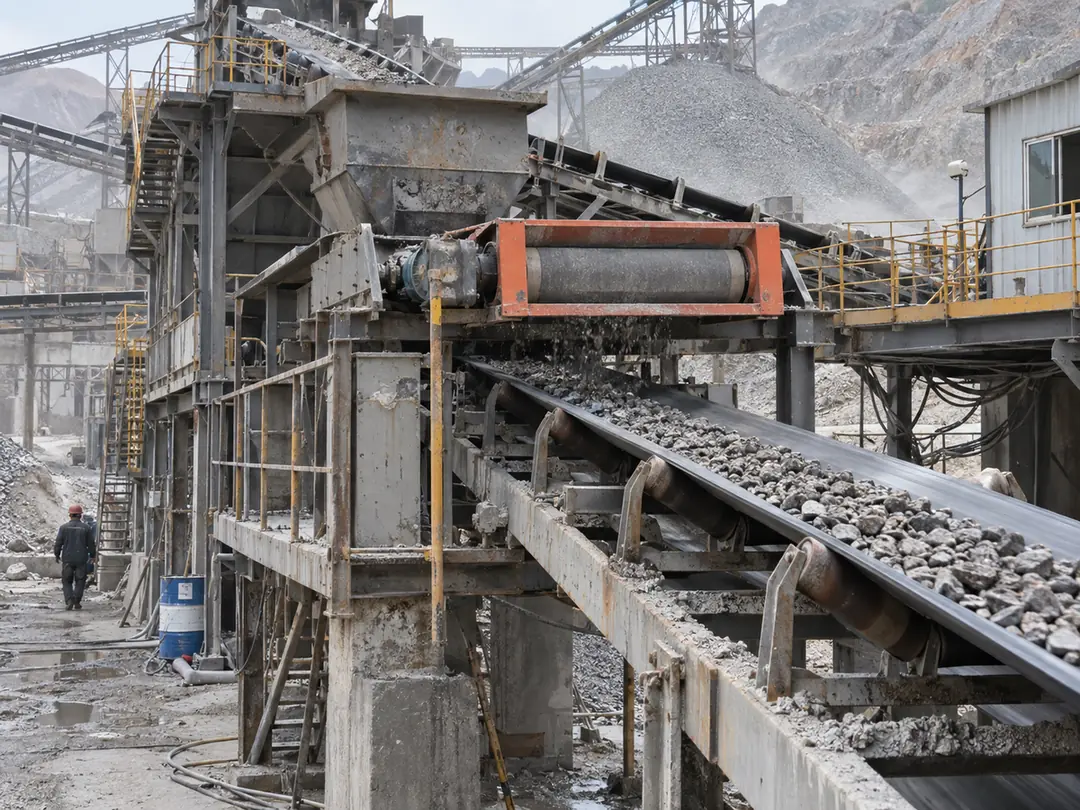
Suspended magnet installed above a quarry conveyor carrying bulk material
Conveyor Protection

Suspended Magnets

Best for: Tramp ferrous removal above conveyors and protection of downstream equipment.

Typical position: Above the belt or transfer point where clearance and burden depth allow capture.

Discuss a Suspended-Magnet Application →
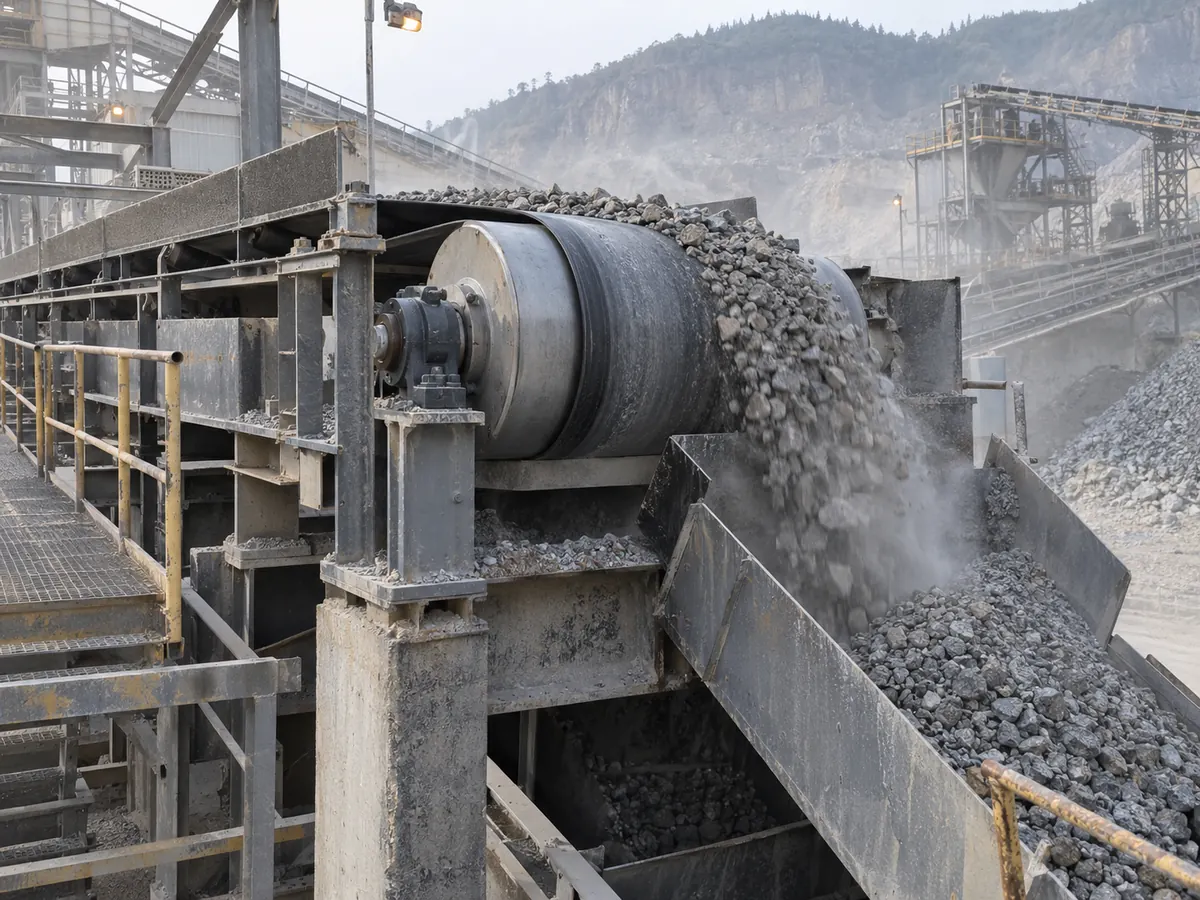
Conveyor head pulley at a dusty bulk material discharge point
Conveyor Discharge

Magnetic Head Pulleys

Best for: Continuous magnetic separation at the conveyor head.

Typical position: Replace or integrate with the conveyor head pulley where discharge trajectory supports separation.

Review a Pulley Separation Point →
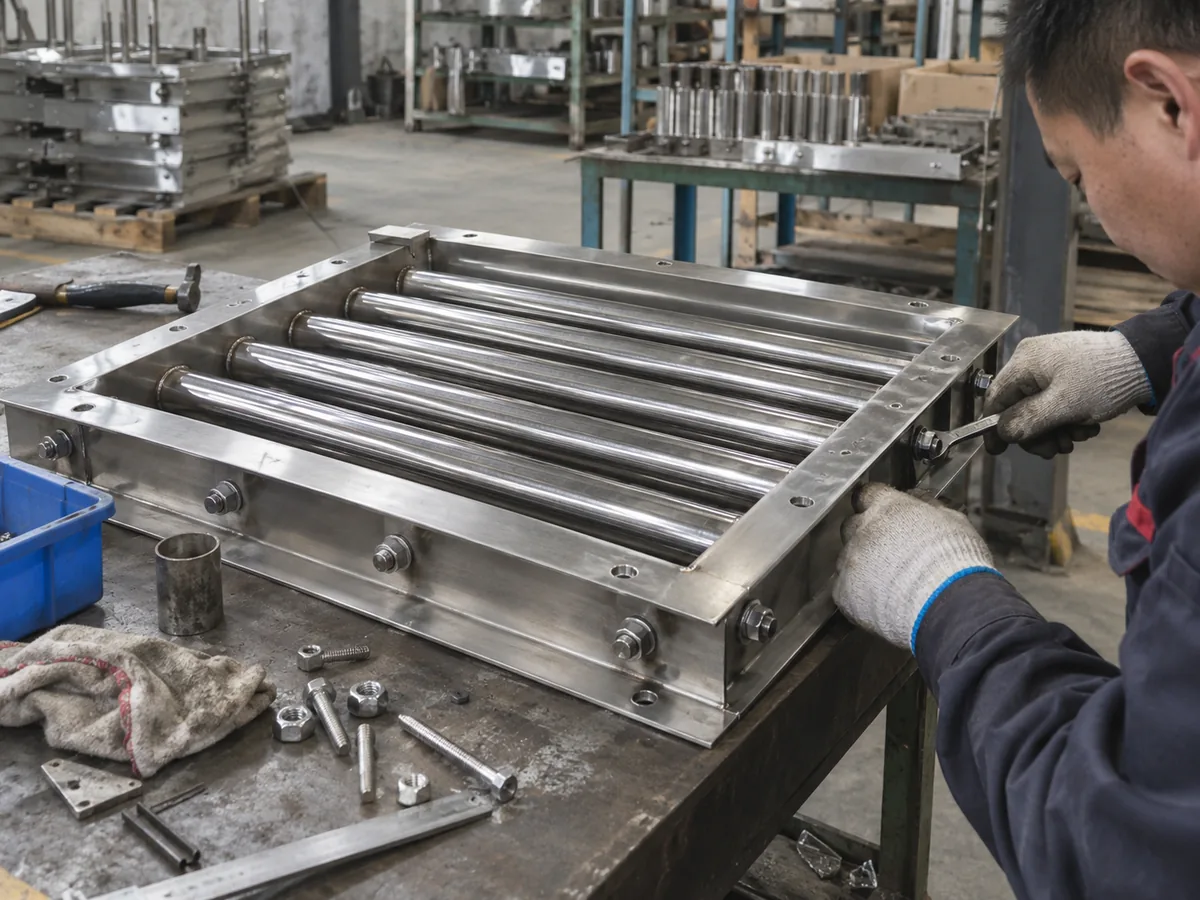
Magnetic grate assembly being tightened on a workshop bench
Powders & Granules

Magnetic Grates & Tubes

Best for: Close-contact magnetic capture in free-flowing powders and granules.

Typical position: Hopper, chute or gravity-flow line where product can pass close to magnetic tubes.

Review Powder or Granule Separation →
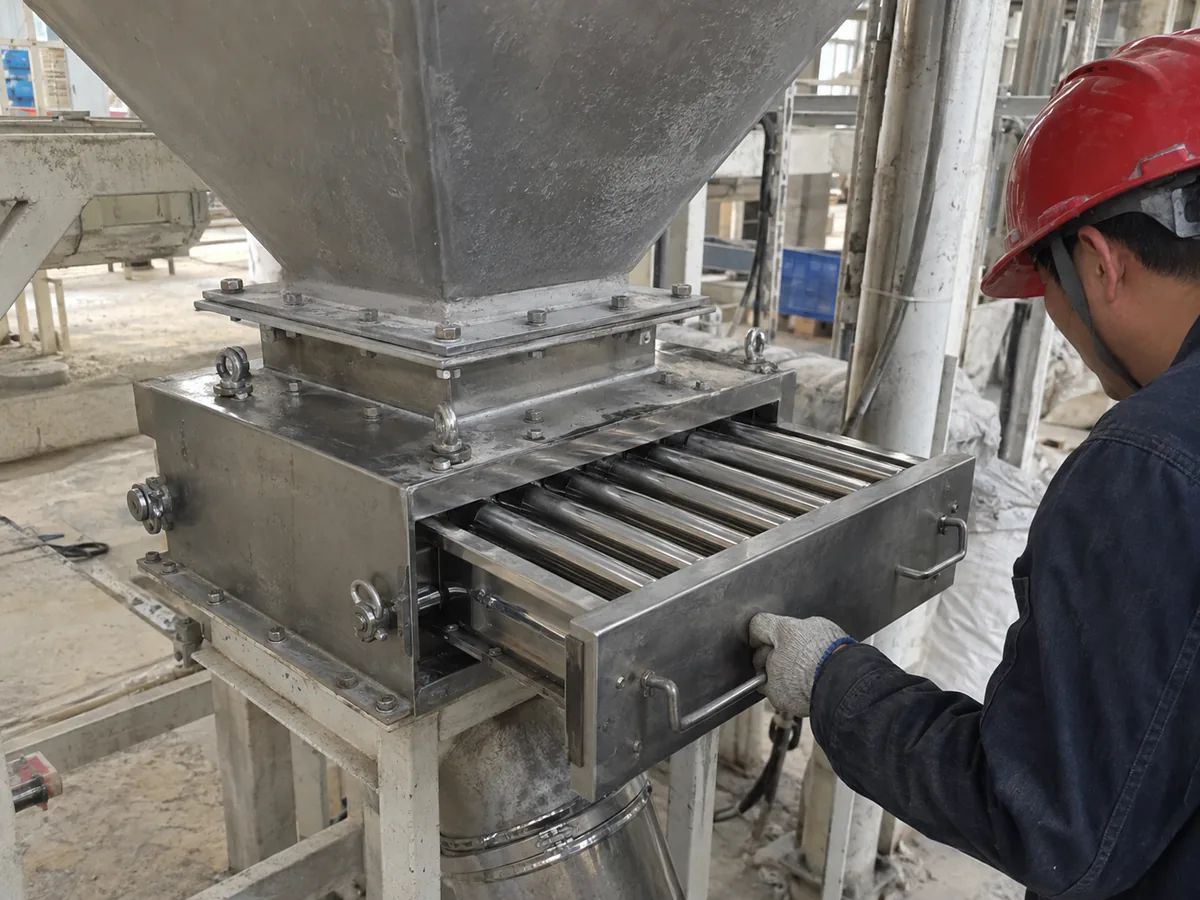
Drawer magnet pulled out below a hopper for inspection and cleaning
Fine Ferrous Removal

Drawer Magnets

Best for: Gravity-fed powders, pellets and granules where compact magnetic capture is required.

Typical position: Gravity-flow line with space for drawer access and cleaning.

Discuss a Drawer-Magnet Application →
Selection tip: Magnetic strength alone does not determine separation performance. Working distance, material characteristics, feed conditions and cleaning method also affect the result.

Separator Selection Matrix

Choose the Right Magnetic Separator

Start from the separation point, process goal and material presentation before comparing models or magnetic ratings.

Bulk material conveyor line with magnetic separation equipment in a quarry
Typical installationAbove Conveyor
Typical goalTramp iron removal and equipment protection
Starting equipmentSuspended Magnet
Typical installationConveyor Discharge
Typical goalContinuous magnetic recovery
Starting equipmentMagnetic Head Pulley
Typical installationGravity Chute
Typical goalFerrous contamination removal
Starting equipmentPlate Magnet
Typical installationPowder / Granule Flow
Typical goalClose-contact fine ferrous capture
Starting equipmentGrate or Drawer Magnet
Typical installationContinuous Bulk Flow
Typical goalAutomatic magnetic separation and discharge
Starting equipmentMagnetic Drum

Applications & Industries

Magnetic Separation Applications by Industry and Material

The same separator family can serve different industries for contamination removal, equipment protection or magnetic recovery. Equipment selection still depends on the actual material and feed conditions.

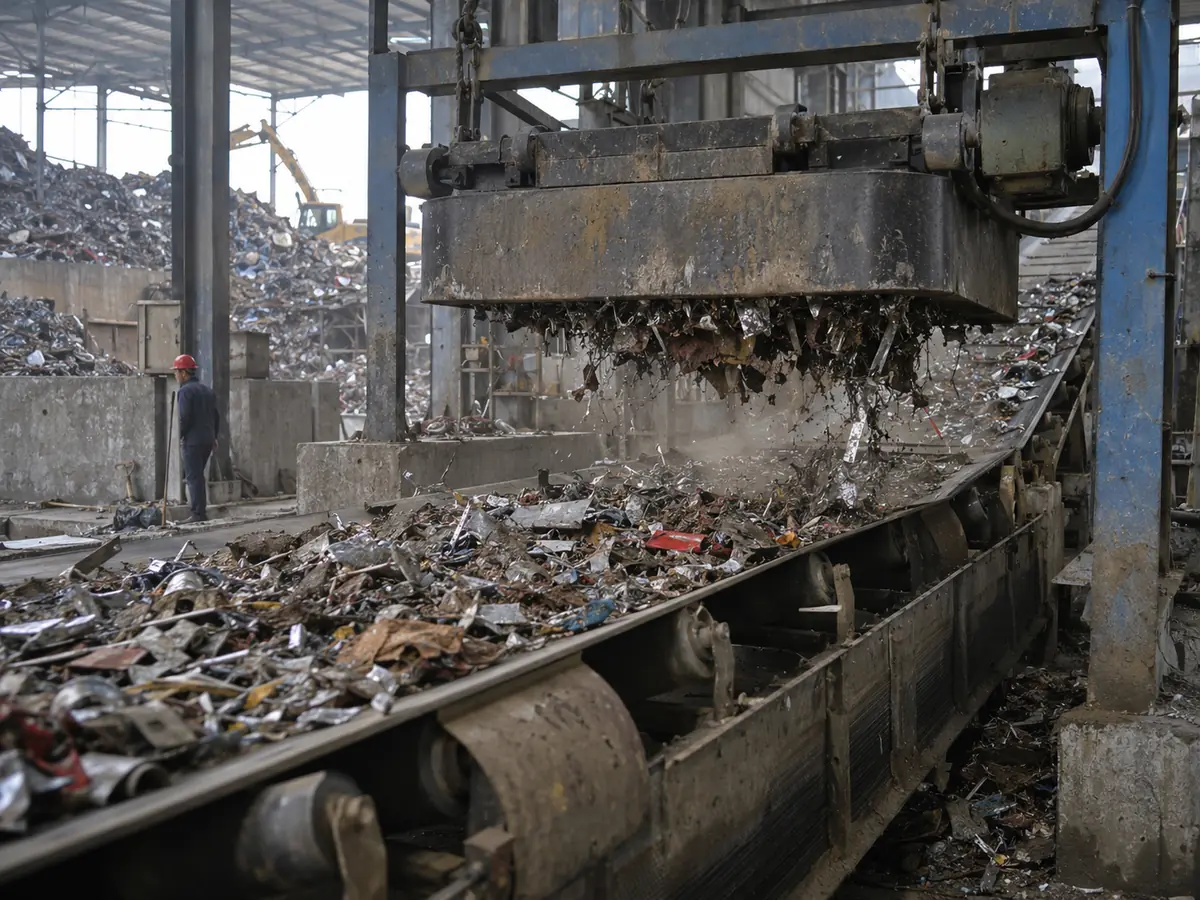
Magnetic separation equipment operating in a mineral processing plantMining & Minerals
Magnetic separator recovering ferrous material from mixed recycling wasteRecycling
Bulk material conveyor line with magnetic separation equipment in a quarryBulk Handling
Drawer magnet installed below a hopper for powder and granule separationPowder & Granules
Iron Ore Processing

Goal: magnetic recovery or beneficiation.
Suitable equipment: drum or application-specific magnetic separator.
Key inputs: mineral response, liberation size, feed condition.

Silica Sand Purification

Goal: reduce iron-bearing contamination.
Suitable equipment: application-specific magnetic separation.
Key inputs: particle size, impurity response, dry or wet condition.

Kaolin Beneficiation

Goal: control fine magnetic impurities.
Suitable equipment: selected after material testing and feed review.
Key inputs: particle size, moisture or slurry condition, magnetic response.

Coal Processing

Goal: tramp iron removal or other magnetic targets.
Suitable equipment: conveyor or process-specific separator.
Key inputs: target contaminant, burden depth, feed position.

Scrap Metal Recycling

Goal: recover ferrous material.
Suitable equipment: drum, pulley or suspended magnet.
Key inputs: piece size, burden depth, conveyor layout.

Waste Tire Recycling

Goal: recover liberated steel wire.
Suitable equipment: drum, pulley or other conveyor magnetic separation.
Key inputs: shred size, liberation, feed presentation.

Conveyor Protection

Goal: remove damaging tramp ferrous before downstream equipment.
Suitable equipment: suspended magnet.
Key inputs: burden depth, belt width, suspension height.

Powder & Granule Processing

Goal: remove fine ferrous contamination.
Suitable equipment: grate, tube or drawer configuration.
Key inputs: flowability, contact distance, cleaning access.

Need Help Choosing a Separator?

Send the Material and Line Conditions

Provide the material, particle size, throughput, contamination target and installation photo or drawing. The first review is to recommend a suitable separator type and installation option.

Custom Magnetic Separator Solutions

From Material Data to Equipment Configuration

Separator configuration is narrowed from the material, magnetic target, feed condition, working distance, installation envelope and cleaning or discharge requirement.

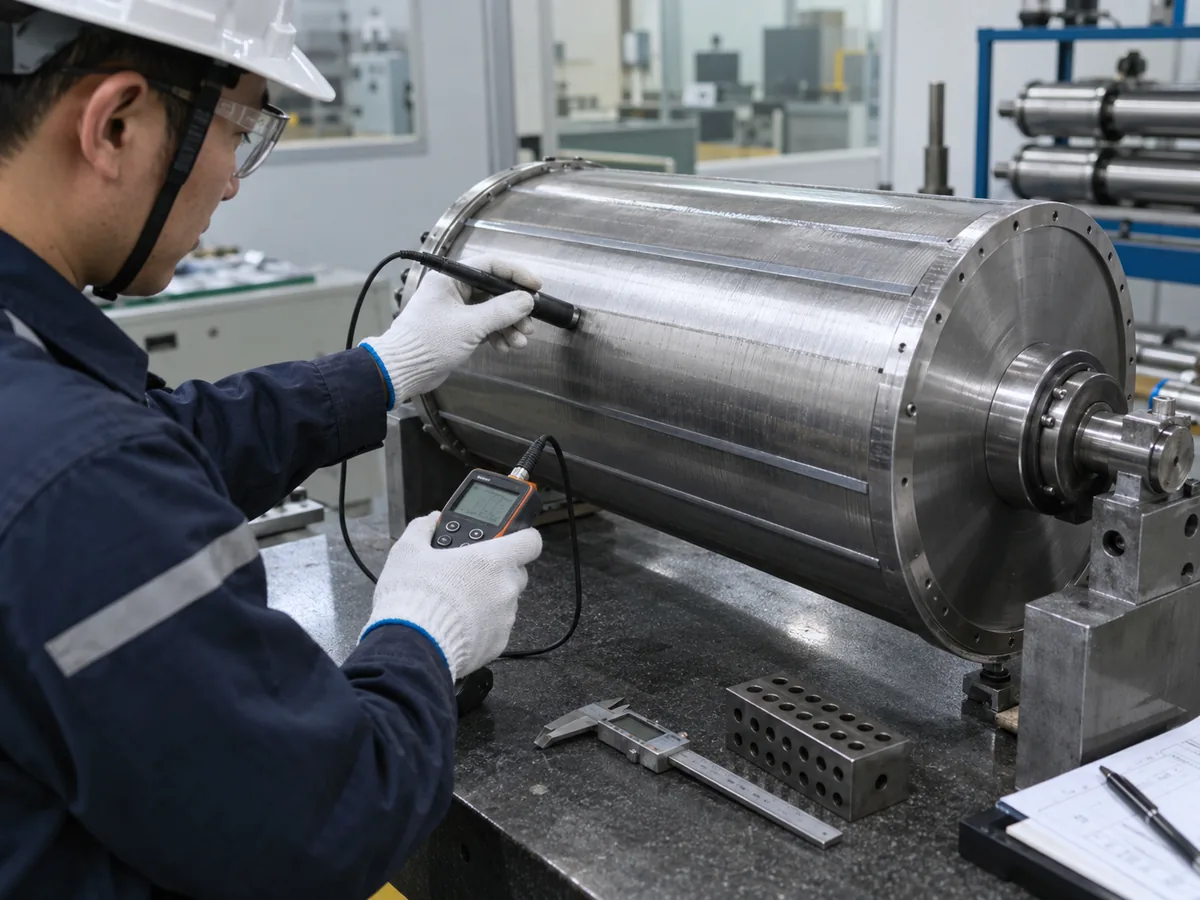
Technician inspecting a magnetic drum separator assembly in the workshop
01Material
02Target Fraction
03Particle Size
04Throughput
05Working Distance
06Installation Point
07Cleaning / Discharge
Magnetic separator manufacturing workshop with equipment under assembly

About Corvelan

Magnetic Separation Equipment for Industrial Projects

Corvelan supplies magnetic separation and metal detection equipment for mining, recycling, bulk handling and industrial processing. Project review covers material conditions, equipment configuration, installation interfaces and agreed inspection requirements.

For separator projects, the practical focus is to connect magnetic design with the mechanical interfaces required by the customer’s line.

Application ReviewMaterial, target contaminant and installation conditions reviewed
Equipment SelectionSeparator principle and configuration screened from project inputs
Project ConfigurationEquipment scope and interfaces defined before quotation
Inspection PlanningDimensional, functional and magnetic checks agreed for the project

Why Choose Corvelan

Choose a Magnetic Separator That Fits Your Material and Conveyor

Magnetic separator performance depends on more than magnet strength. Magnetic, mechanical and process conditions need to be reviewed together before the equipment configuration is finalized.

01 / APPLICATION

Application-Based Selection

Start with material flow, separation goal and discharge requirement before choosing a model.

02 / MAGNETICS

Magnetic Circuit Engineering

Review magnet material, pole geometry, working distance and the field required at the actual separation point.

03 / MECHANICAL

Custom Mechanical Integration

Confirm inlet, outlet, mounting, maintenance clearance and access against the line layout.

04 / ACCEPTANCE

Defined Inspection

Agree critical dimensions, magnetic test positions and functional checks before manufacturing.

Reduce Procurement Risk Before Production

Define the Conditions That Usually Cause Expensive Rework

SelectionWrong Separator Type

First, tell us how the material moves and what you need to remove or recover.

MagneticsWorking Distance Too Large

Control: define burden depth or process gap instead of relying on surface Gauss.

MechanicalInstallation Mismatch

We check the installation dimensions, connections and service space on the project drawing.

AcceptanceUnclear Inspection Criteria

Control: agree inspection points before manufacturing begins.

Manufacturing & Inspection

Quality Checks Before Shipment

Inspection points are defined against the approved drawing and project specification. Depending on equipment scope, checks can include dimensions, mechanical function, magnetic measurement points and agreed pre-shipment items.

Technician checking a magnetic drum during quality inspectionQuality Control

Dimensional, magnetic and mechanical checkpoints as defined by the project.

See quality inspection details
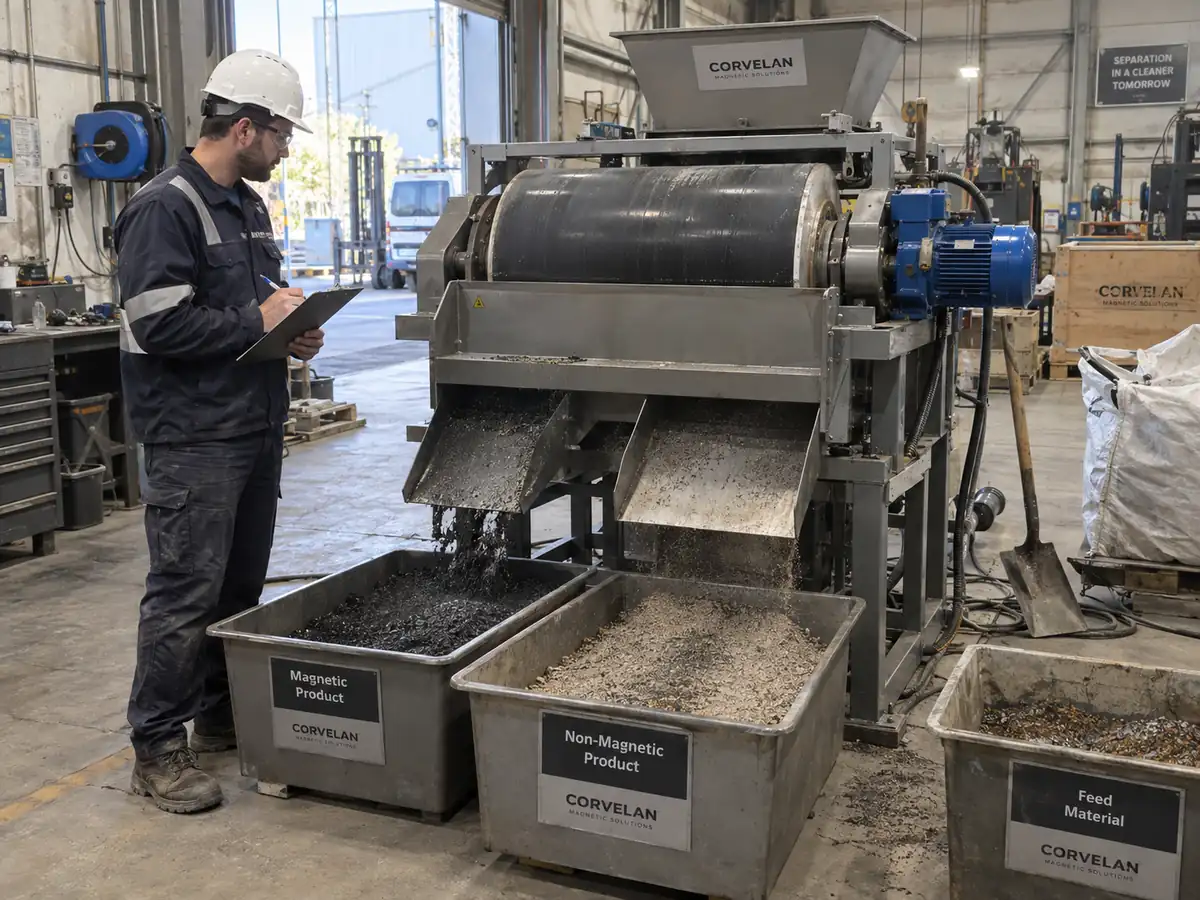
Material separation trial showing magnetic and non-magnetic outputsMaterial Separation Trial

Representative feed trials can help assess a proposed route; test scope and acceptance criteria are agreed for each project.

See testing and acceptance details
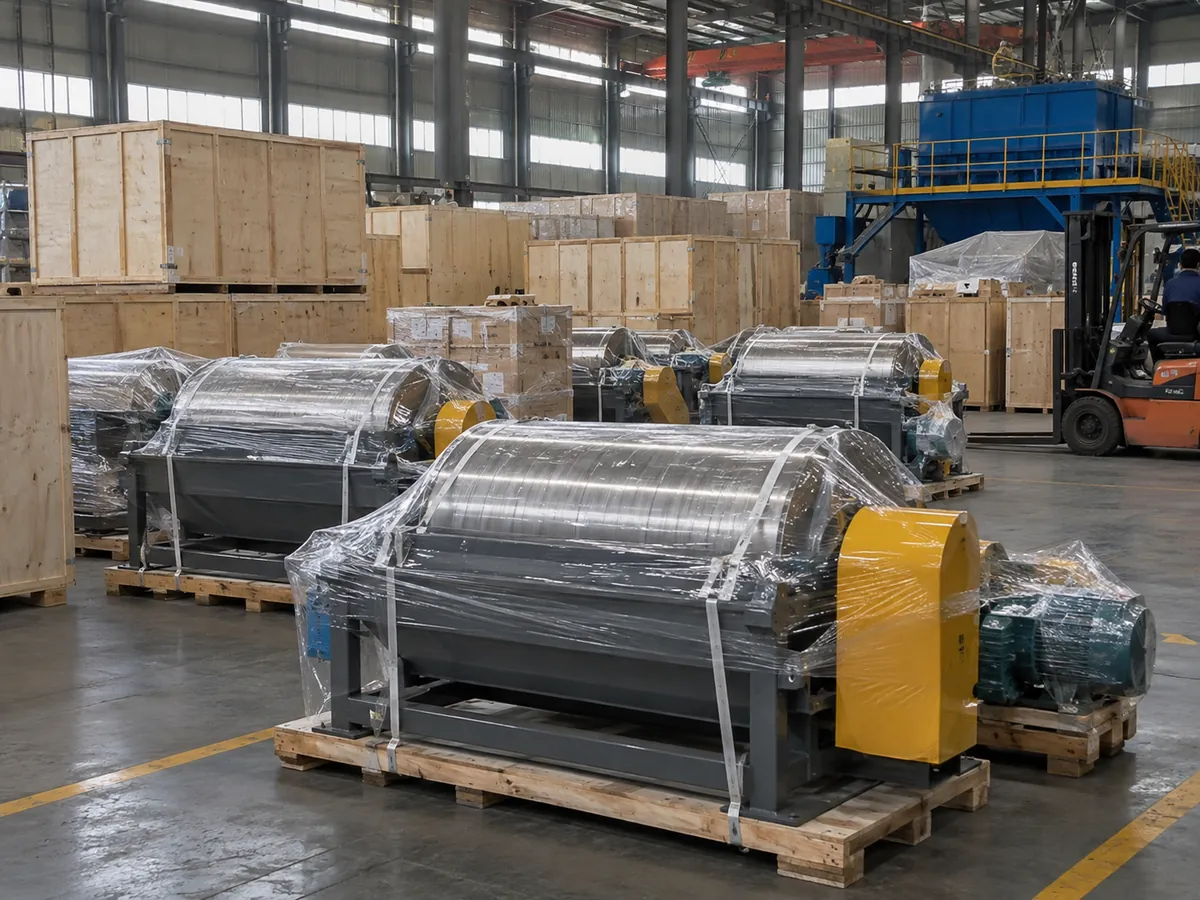
Magnetic separator equipment wrapped and prepared for shipment in the warehousePackaging & Shipment

Finished equipment prepared for release after agreed pre-shipment checks.

Drawing & Interface CheckCritical dimensions, inlet/outlet positions and mounting interfaces.
Mechanical FunctionRotation, drive, splitter or discharge functions where applicable.
Magnetic MeasurementDefined measurement position and condition when magnetic flux density is an acceptance item.
Pre-Shipment CheckAgreed construction and project-specific inspection items before release.

Selection Process

From Material Data to a Buildable Magnetic Separator

A clear project process helps confirm equipment configuration, interfaces and inspection requirements before manufacturing begins.

STEP 01Send Application DataMaterial, target contamination, particle size, throughput, photos and line drawing.
STEP 02Separator RecommendationWe recommend where to install the separator and which type fits your line.
STEP 03Configuration & DrawingConfirm magnetic and mechanical interfaces required for quotation.
STEP 04ManufacturingBuild the agreed separator scope to the approved project specification.
STEP 05InspectionCheck agreed dimensions, magnetic points and functional items where applicable.
STEP 06DeliveryRelease the equipment after agreed pre-shipment checks are complete.

Technical Resources

Magnetic Separation Engineering Guides

Review separator working principles, equipment selection and magnetic performance before specifying the project.

Equipment Guide

Magnetic Drum Separator Engineering

Working principle, dry and wet routes, pole layout, feed depth, working gap, splitter and inspection points.

Read the Magnetic Drum Guide →
Choose the Right Magnetic Separator

Plate Magnet Selection

Chute and hopper layouts, magnetic circuit options, mounting, cleaning access and defined magnetic acceptance.

RFQ Checklist

What to Send Before Equipment Selection

Material, particle size, throughput, target contamination, feed method, working distance, installation drawing and cleaning requirement.

Start an Separator Recommendation →

FAQ

Magnetic Separator Manufacturer FAQ

What types of magnetic separators does Corvelan work with?

Corvelan works with magnetic drum separators, plate magnets, suspended-magnet, magnetic pulley, grate, tube and drawer configurations for different installation locations. The final equipment scope is confirmed from the application, quotation and project drawing.

How do I choose the right magnetic separator?

Start with the material, target contaminant or magnetic fraction, particle size, throughput, feed method, burden depth or working distance, installation space and cleaning or discharge requirement. Those conditions narrow the separator selection faster than comparing Gauss values alone.

Can Corvelan customize a magnetic separator for an existing line?

Yes. Send the existing chute, conveyor or line layout together with material and contaminant information so the installation position, dimensions, interfaces and maintenance clearance can be reviewed before quotation.

Does higher Gauss mean better magnetic separation?

No. Higher surface Gauss does not automatically mean better separation. Working distance, field gradient, particle response, material depth, feed presentation, exposure and separator geometry also affect the result.

How is magnetic separator throughput determined?

Throughput must be tied to the material and process conditions. Particle size, bulk density, moisture, feed width, burden depth, flow behavior, separator geometry and the separation target all affect practical capacity.

What information should I send for a quotation?

Send the material name, particle-size range, moisture or slurry condition, normal and peak throughput, contaminant or magnetic fraction, feed width, burden depth or working distance, installation photos or drawing, available space, temperature, cleaning or discharge requirement and any defined acceptance test.

How is the equipment inspected before shipment?

Inspection should follow the approved project scope. Depending on the equipment, this can include critical dimensions, mechanical function, defined magnetic measurement points and other agreed pre-shipment checks.

Start the Separator Recommendation

Send Your Material Details. Get the Right Separator Recommendation.

Send the process information you already have. Corvelan can review a practical separator type, installation location, working distance, mechanical interface and project-specific inspection requirements before quotation.

You Send
  • Material and particle size
  • Normal / peak throughput
  • Target contamination or magnetic fraction
  • Feed method and working distance
  • Photos, drawing and available space
Corvelan Reviews
  • Separator type
  • Separation position
  • Working distance
  • Mechanical interfaces
  • Required inspection items

Get An Instant Quotation Now